Right arrow Warehouse Floor Resurfacing Plymouth

Plymouth Warehouse
Floor Resurfacing & Overlays

We deliver warehouse floor resurfacing and concrete overlay systems throughout Plymouth and the wider South Devon region. Existing slabs are restored using bonded self levelling systems, polymer modified overlays and resin finishes suited to logistics, engineering, marine and storage environments around the city. Each system is specified to improve levelness, durability and operational reliability for the intended duty.

20 +

Years
Experience in Concrete Flooring

Our Plymouth resurfacing work covers Estover, Belliver, Ernesettle, Plympton, Langage, Faraday Mill and Cattedown, together with units supporting marine supply chains near the waterfront and engineering facilities serving Devonport. Floors vary from older workshops with mixed repairs to modern logistics warehouses needing tighter surface tolerance. We repair, prepare and overlay concrete slabs so they perform consistently under forklift, pallet truck and plant movements.

Our Expertise

Right arrow Our Process

How We Resurface Warehouse
Floors in Plymouth

STEP 1

Condition Review,
Repair and Surface Profiling

We begin by assessing the concrete slab, reviewing cracking, joint deterioration, delamination, impact damage and historic coatings. This is particularly important in Plymouth’s coastal and engineering-led buildings where moisture, corrosion risks and legacy repairs may affect substrate behaviour. Defects are reinstated, incompatible coatings removed and the surface is mechanically prepared using grinding, shot blasting or diamond tooling to create the required profile for a bonded overlay system.

Right facing arrows STEP 2

Overlay Application
and Level Correction

The overlay system is chosen based on load type, wheel materials, internal climate and operational requirements. Options include polymer modified cementitious toppings, cement based self levelling systems and resin finishes for areas where smooth running or chemical resistance is required, such as marine supply or engineering units near Cattedown. Thickness and flow are controlled to address surface undulations, enhance regularity in racking aisles and create predictable running conditions for MHE across Plymouth facilities.

Right facing arrows STEP 3

Curing, Joint Works
and Final Handover

After installation the overlay is cured in line with manufacturer guidance. Fast track options may allow controlled early use within 24 to 48 hours, while heavier loads are introduced once strength targets are reached. We reinstate movement and construction joints so they align with the facility’s traffic pattern and reduce edge damage. Before handover we review finish, levelness where specified and provide maintenance guidance tailored to Plymouth’s logistics, storage and engineering environments.

Right arrow Why Choose Us

Industrial Floor Overlays for
Demanding Plymouth Environments

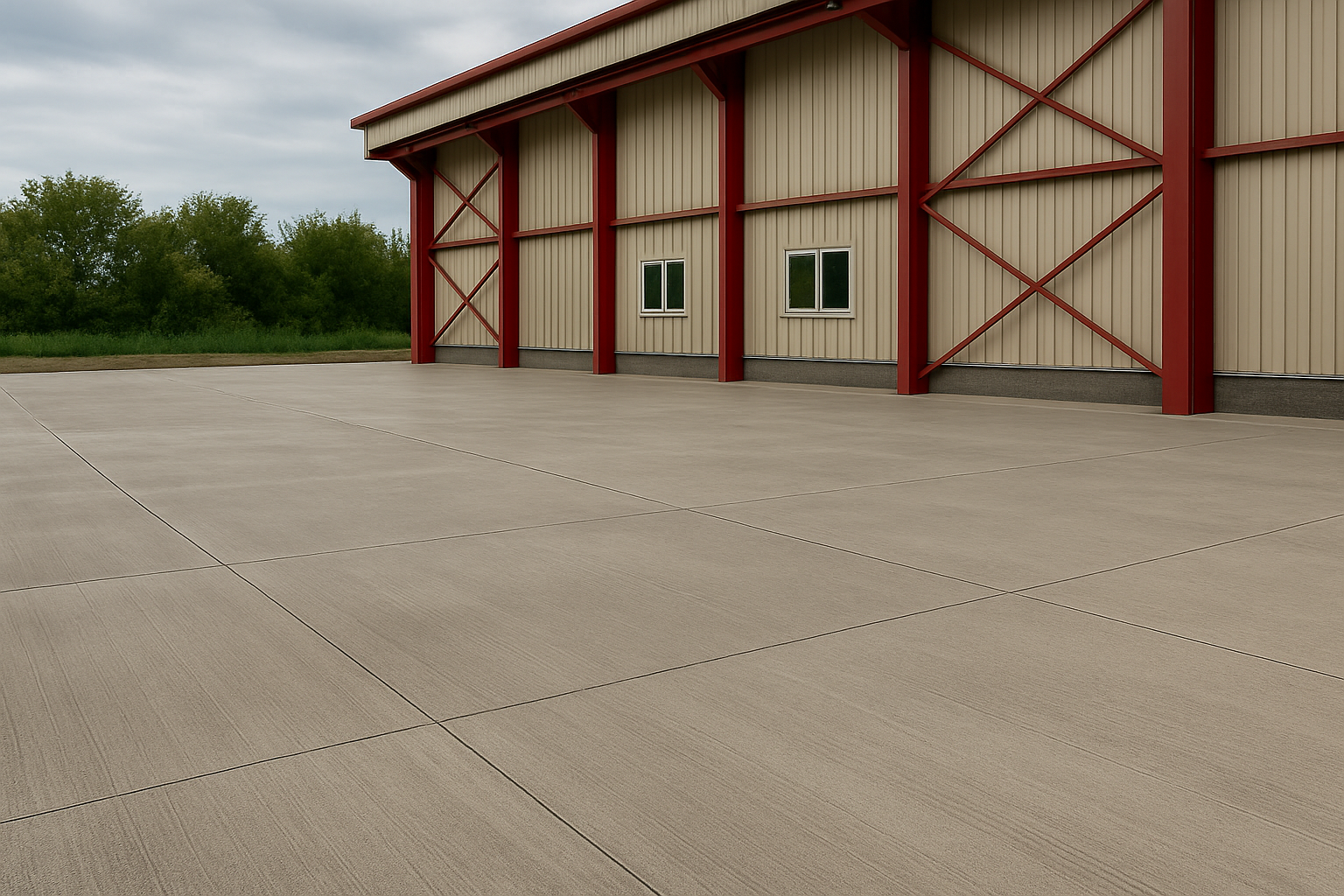
Warehouse floor resurfacing in Plymouth engineering unit
Load capacity icon

Preparation and
Substrate Integrity

Plymouth’s industrial buildings often contain older slabs or legacy coatings, so substrate integrity and moisture considerations are central to long term overlay performance. We remove weak material or degraded coatings, establish a mechanical key and use suitable primers to ensure reliable bonding and composite action between slab and overlay under repeated forklift and plant movements.

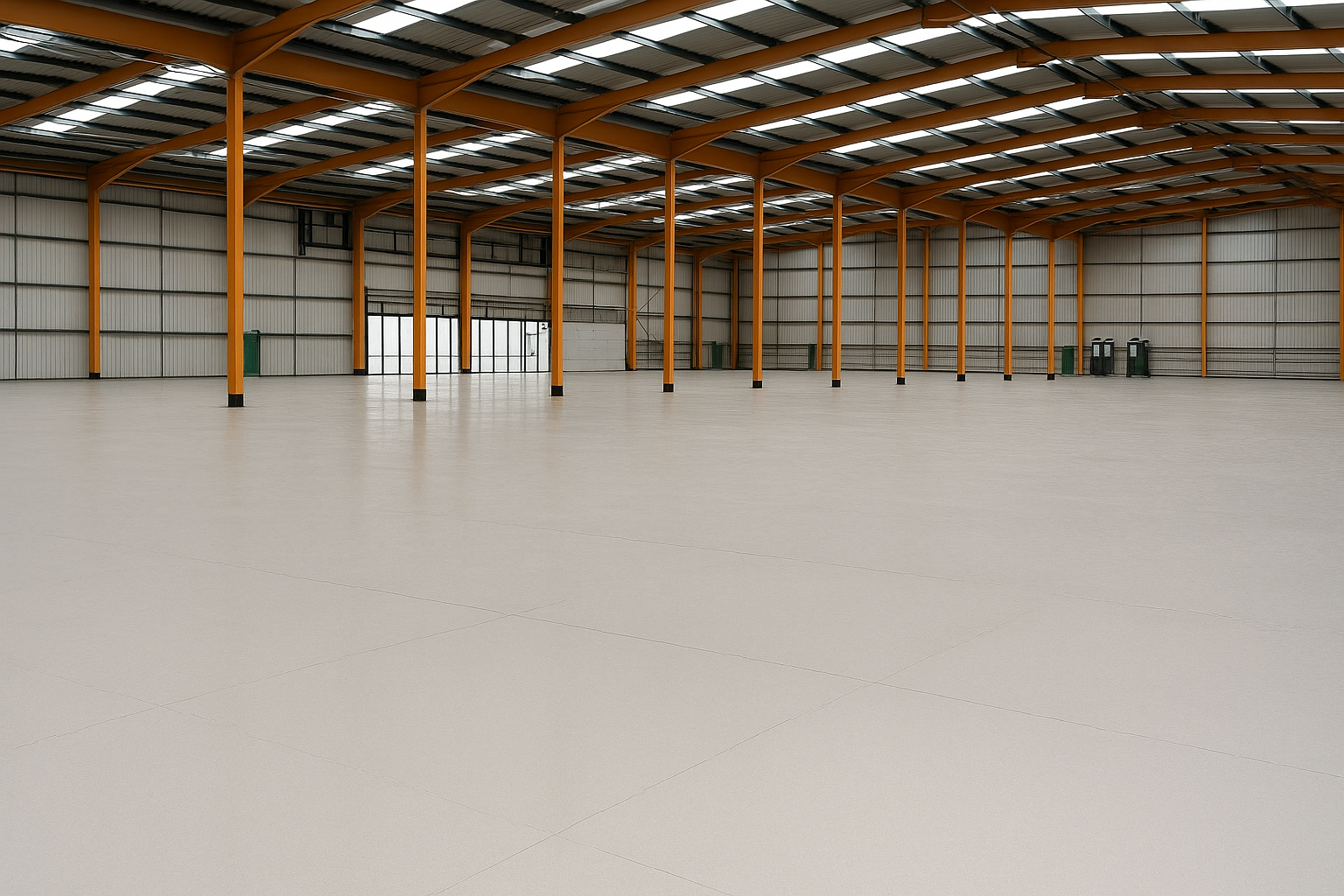
Concrete overlay project in Plymouth warehouse
Surface profile icon

Programme Planning
for Coastal Operations

Facilities supporting dockside logistics, marine engineering or defence supply chains often have fixed operational windows. We plan works around tide-dependent activities, delivery schedules and restricted access routes, using phased bays, temporary traffic management and out of hours work where required. This supports continuity while maintaining sufficient preparation and curing time for the overlay system.

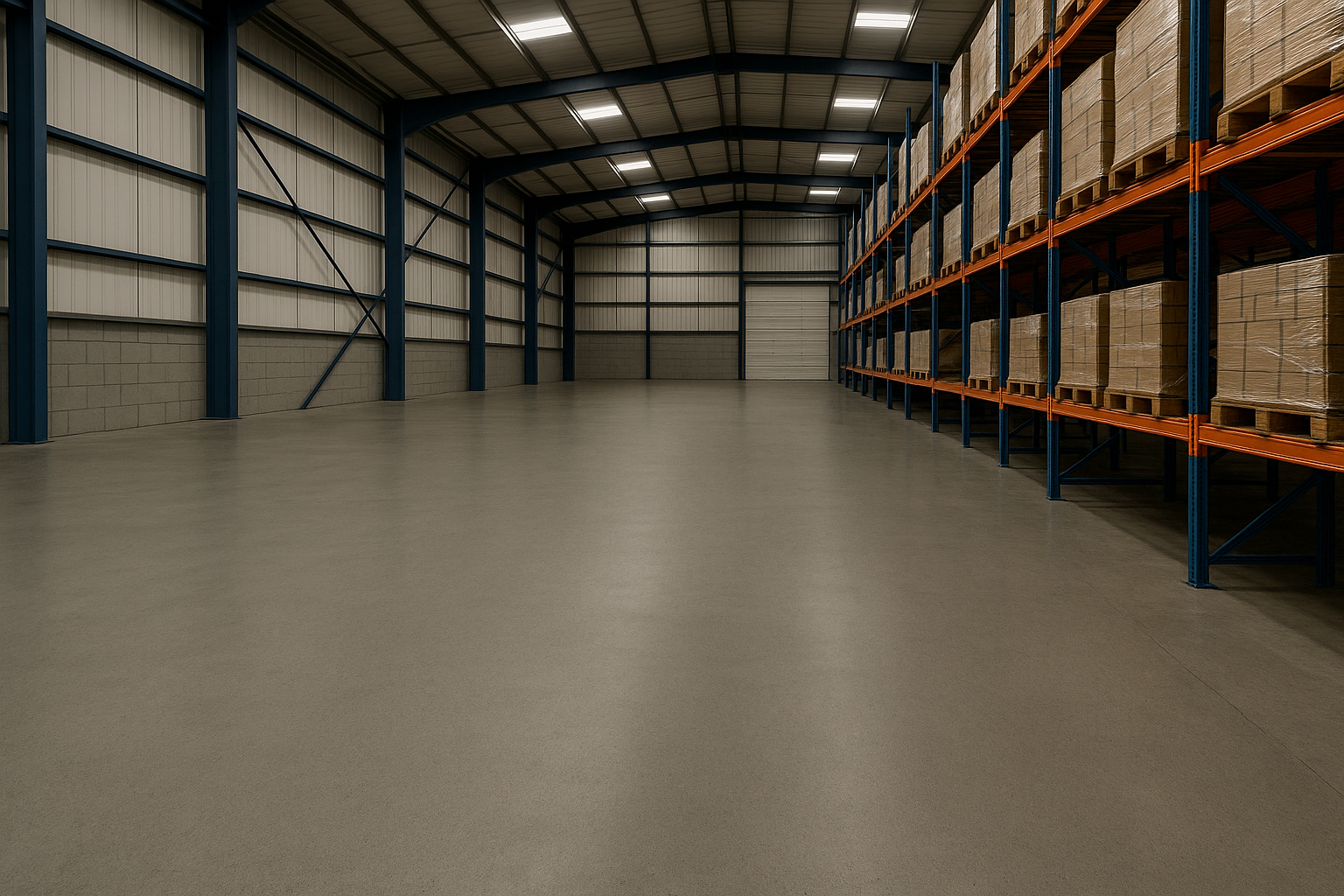
Resurfaced warehouse floor in Plymouth and Devon
Repair efficiency icon

Extended Service
and Cost Efficiency

Replacing a slab means major disruption, especially in Plymouth units where racking, marine equipment or engineering lines are already installed. Resurfacing maintains the structural slab while renewing the wearing surface with a system matched to the facility’s duty and load profile. This approach supports consistent performance and reduces long term maintenance requirements.

Right arrow Plymouth and Surrounding Areas

We undertake warehouse floor resurfacing and industrial overlay projects across Plymouth and the South Devon region, supporting logistics, marine supply, engineering and storage facilities from the A38 corridor to waterfront industrial zones.

Plymouth

Estover

Belliver

Ernesettle

Plympton

Langage

Cattedown

Saltash

Request a Quote for Warehouse Floor Resurfacing in Plymouth

We provide warehouse resurfacing, slab repairs and industrial floor overlay systems across Plymouth, including Estover, Belliver, Ernesettle, Plympton, Langage and Cattedown. Our service covers inspection, preparation, defect repair and installation of bonded overlay systems tailored to the site’s operational demands.

Contact us to discuss your Plymouth warehouse, marine unit or engineering facility, or to arrange a site visit and proposal.

Or fill in the form below and our Plymouth resurfacing team will respond promptly.

Right arrow FAQ

Warehouse Floor Resurfacing Plymouth
Common Questions

Do you resurface floors in Plymouth’s engineering and marine supply units?
Yes. We frequently work in engineering workshops, marine support facilities and units near the waterfront. These floors often need chemical resistance, improved wear tolerance or reliable bonding over older substrates. We specify overlay systems suited to these conditions and plan works around restricted access or scheduled marine activity.
Can resurfacing be phased to keep our Plymouth site operational?
It can. Many Plymouth facilities require continuous operation. We divide the warehouse into work zones, manage temporary routes and agree access windows around deliveries, production schedules or shift patterns. Where suitable, fast-curing materials allow early controlled traffic on completed sections.
How do you deal with older slabs or moisture risks in coastal locations?
Coastal buildings and older workshops can show moisture ingress, corrosion or inconsistent repairs. We assess slab condition, remove incompatible coatings, reinstate defects and use primers or barrier layers where moisture levels require it. This helps the new overlay bond reliably and perform consistently over time.
Which overlay systems work best for Plymouth warehouses?
The appropriate system depends on load, climate, cleaning regime and expected duty. Options range from cement based self levelling compounds to polymer modified toppings and resin finishes. We specify a system to suit the exact operational requirements of the Plymouth site rather than applying a single standard product across all facilities.
When can forklifts operate on a resurfaced floor?
Some cementitious and resin systems allow controlled early use within 24 to 48 hours, while heavier loading requires longer curing. We provide project specific timings so vehicle movements can be planned safely around the works and overlay characteristics.
Can joint repairs be included as part of the resurfacing work?
Yes. We can reinstate or replace failed joints, cut new movement joints after installation and carry out arris repairs where required. This helps to reduce impact damage and improves long term surface stability for MHE.
What information helps you prepare a quotation for a Plymouth facility?
Helpful information includes floor area, slab age and condition, duty level, MHE types, access restrictions, shift patterns, any environmental requirements and future layout plans. Photos or existing survey notes also support precise specification and programme planning.